Pollinator monitoring in the field
Spring is approaching and with it, the return of pollinator activity. 🌼🐝
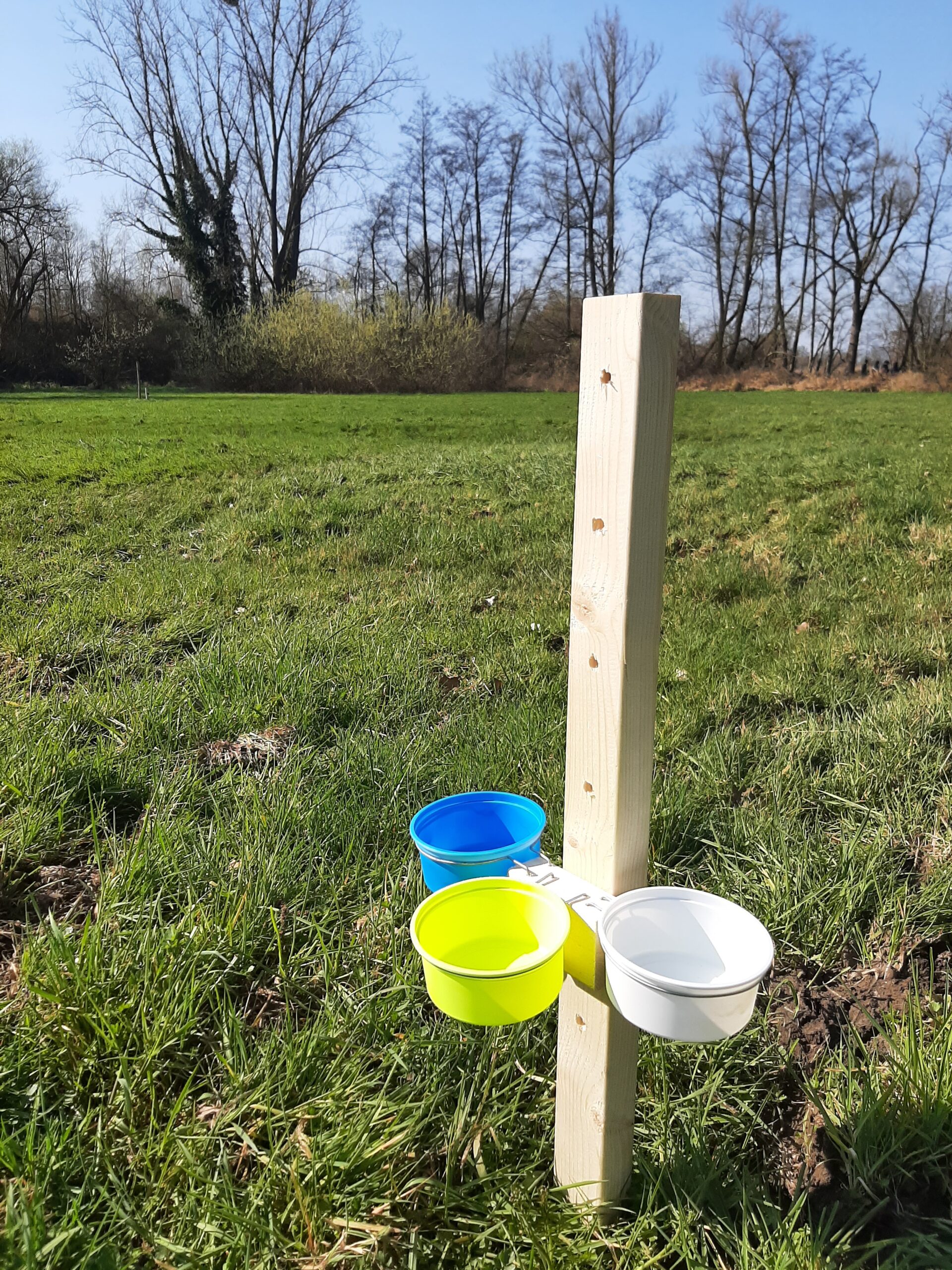
As part of the LIFE Cricetus project, preparations are underway to monitor pollinators using standardised pan trapping methods alongside transects and moth traps, as part of a broader monitoring approach across our study areas.
While the European hamster is at the heart of the project, its survival depends on a rich and diverse agricultural landscape. Pollinators play a key role in this system, contributing to both biodiversity and the availability of food resources within farmland ecosystems.
By monitoring pollinator abundance and diversity, we aim to better understand how hamster-friendly measures such as adapted cropping systems and habitat improvements impact farmland biodiversity more broadly.
These insights will help us evaluate whether the measures we implement not only support the hamster but also strengthen the ecological quality of the landscape as a whole and provide valuable input for improving agri-environmental measures under the Common Agricultural Policy (CAP).
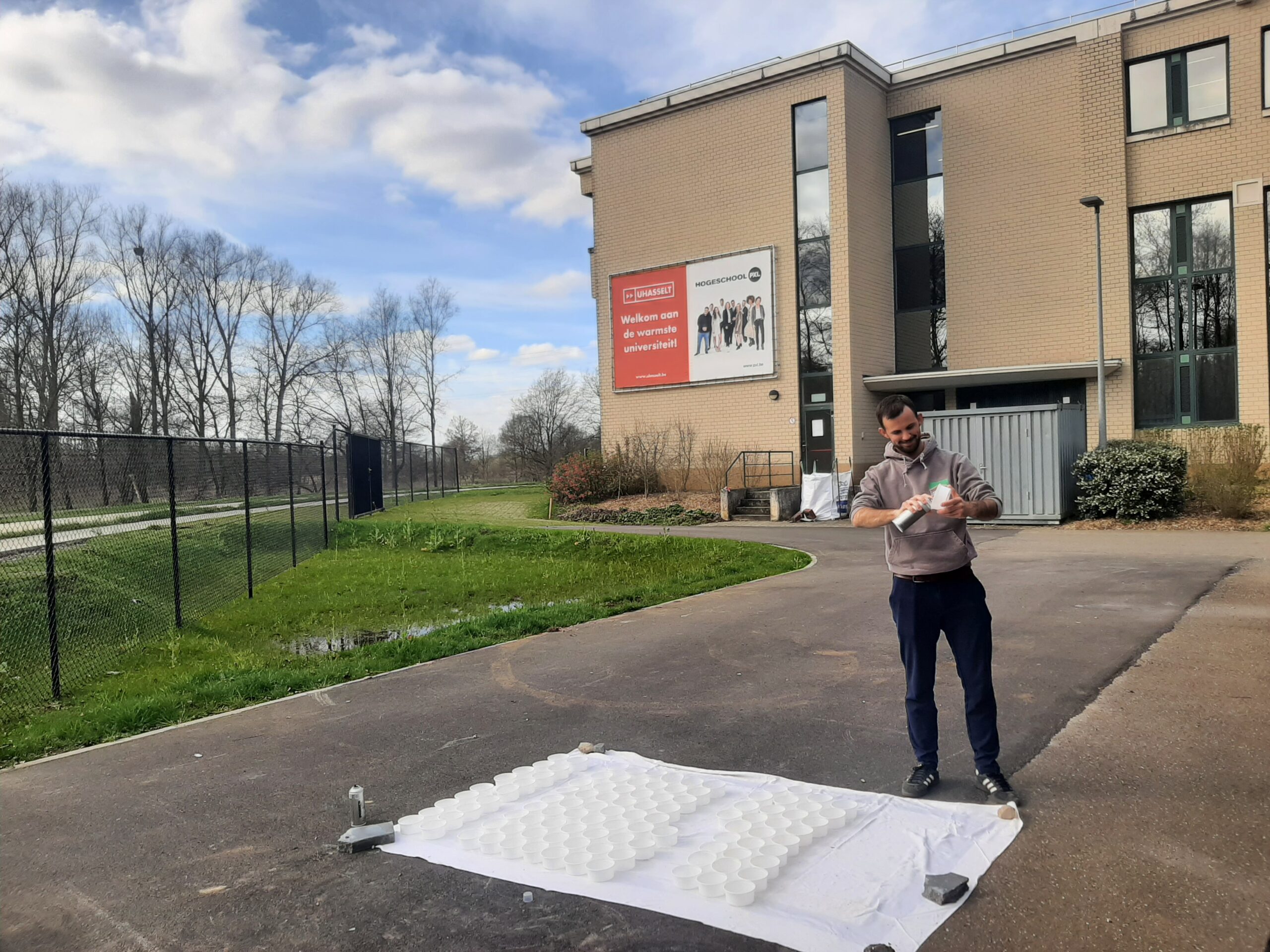
From preparing the traps to placing them in the field, every step brings us closer to understanding how these measures perform in the field.