Nieuws
Partner Introduction 🇳🇱
LIFE Cricetus brings together organisations from Belgium, the Netherlands and Germany to restore the European hamster across borders.
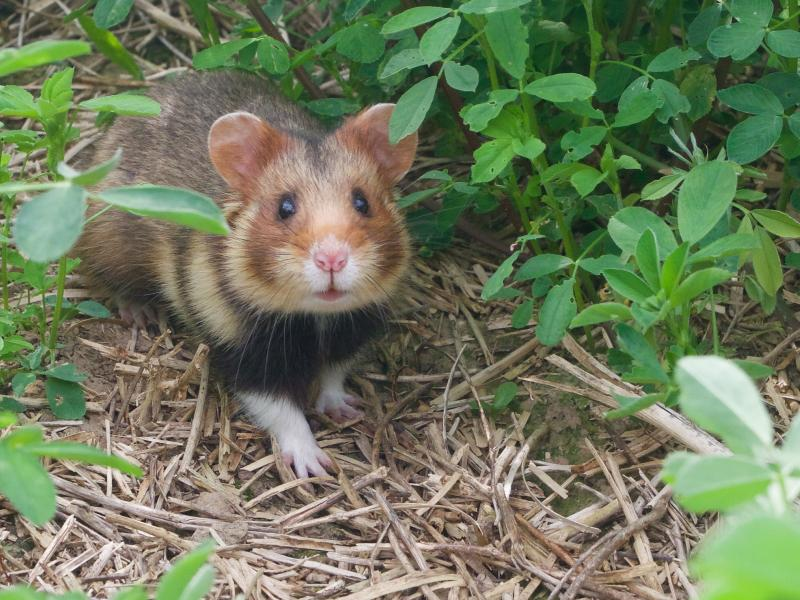
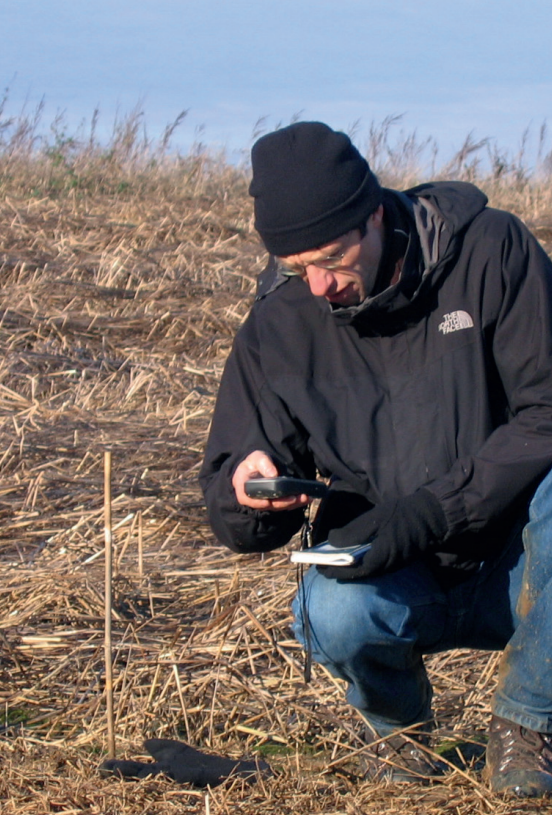
Today, we introduce one of our Dutch partners: the Dutch Mammal Society (DMS).
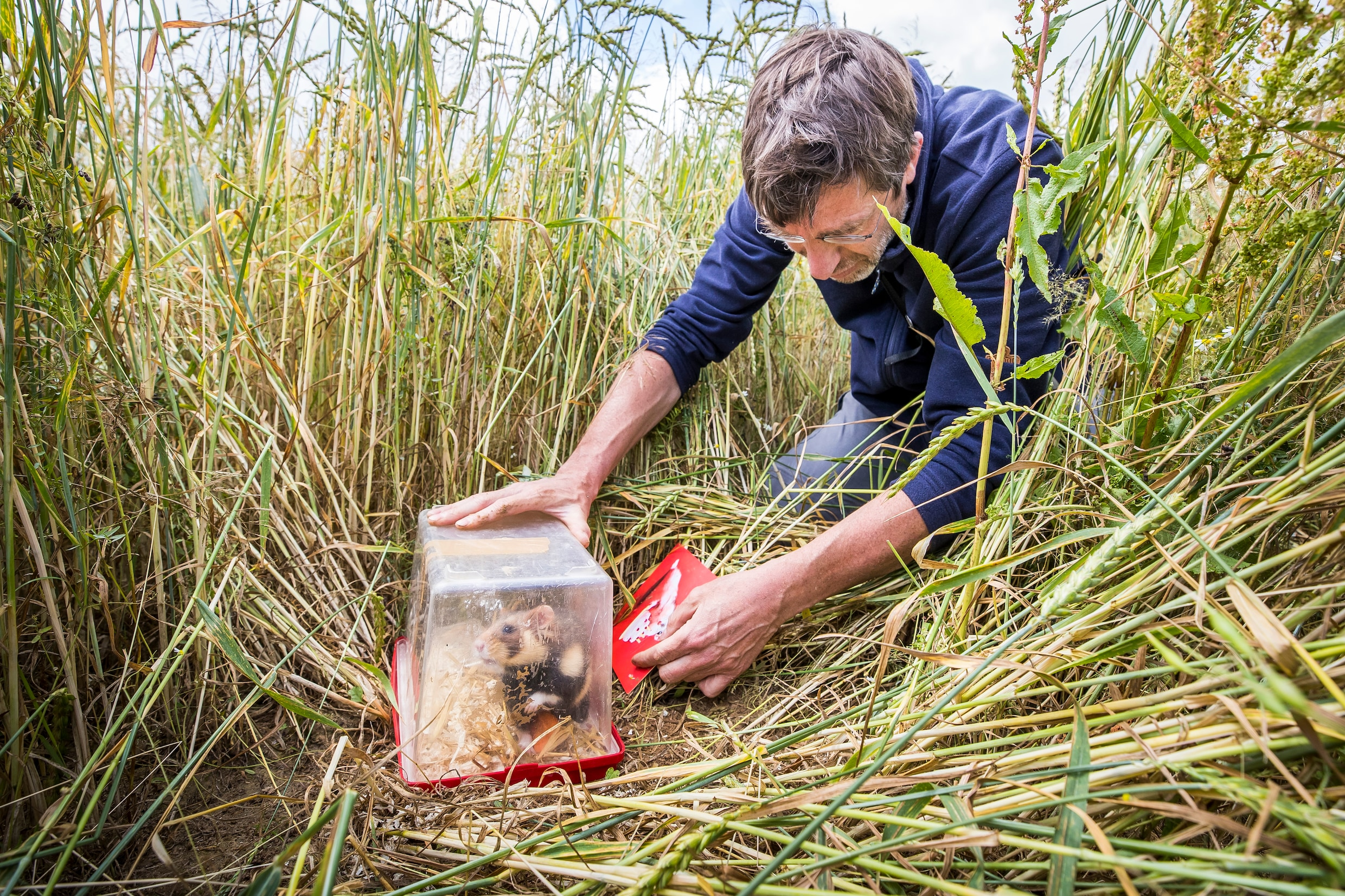
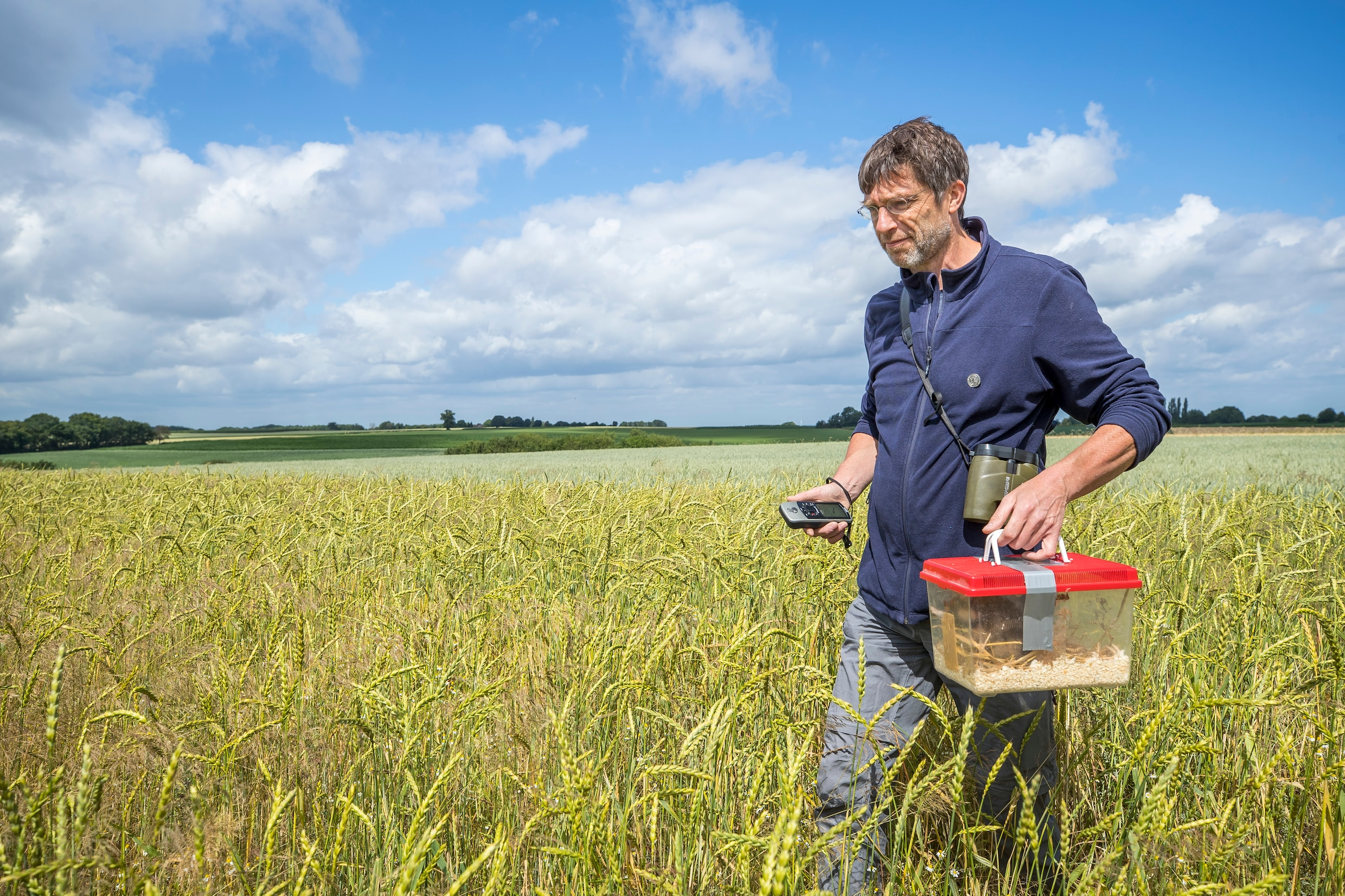
Founded in 1952, the Dutch Mammal Society is dedicated to collecting and sharing knowledge on wild mammals in the Netherlands. With a team of around 35 staff members and the support of thousands of volunteers, the organisation contributes to scientific research, policy development, Red Lists, and practical conservation. Through long-term monitoring and research, they work to better understand why mammal populations thrive or struggle to survive.
The European hamster has been studied by DMS researchers since at least 1999. Over more than 25 years, this work has generated valuable insights into survival, reproduction, genetics, and habitat management. At the same time, it has highlighted an important challenge: even for highly motivated farmers, integrating hamster-friendly measures into daily agricultural practice is not always straightforward.
The LIFE Cricetus project aims to build on this experience by developing and supporting more effective and practical hamster-friendly management, making it easier to implement across farms in the region.
🔗 Learn more: www.zoogdiervereniging.nl
Field pratices in action
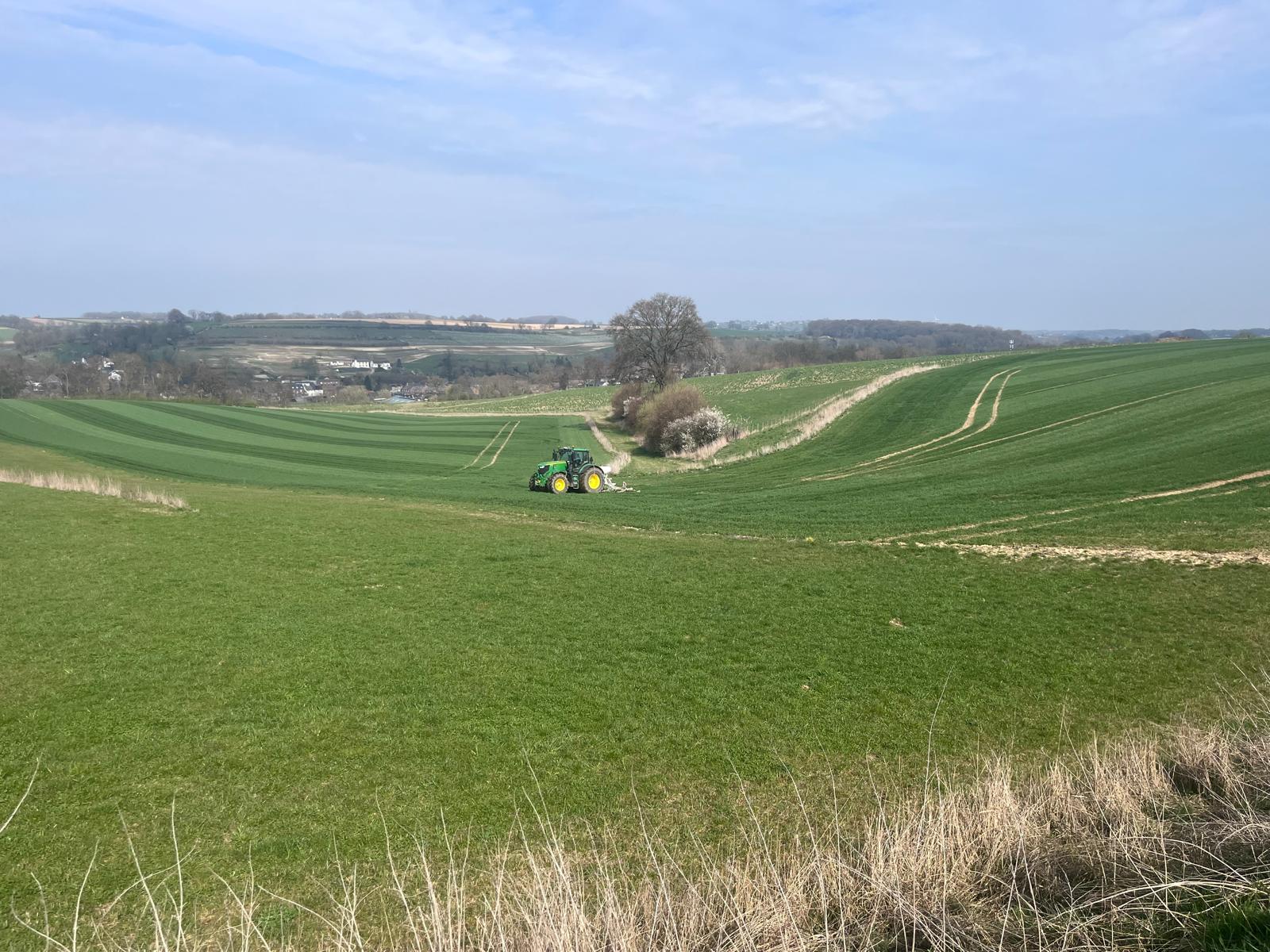
It will still take some time before the wheat in these fields is harvested. However, by carrying out undersowing at the right moment, an important condition for the European hamster can already be secured: providing sufficient cover once the cereals are removed from the field.
After the grain harvest, the undersown crop, in this case clover, quickly develops and provides immediate shelter. This continuity in cover is essential for the hamster, which depends on protection in an otherwise open agricultural landscape.
With this in mind, the ongoing experiment with undersowing in cereals is a promising development within the LIFE Cricetus project.
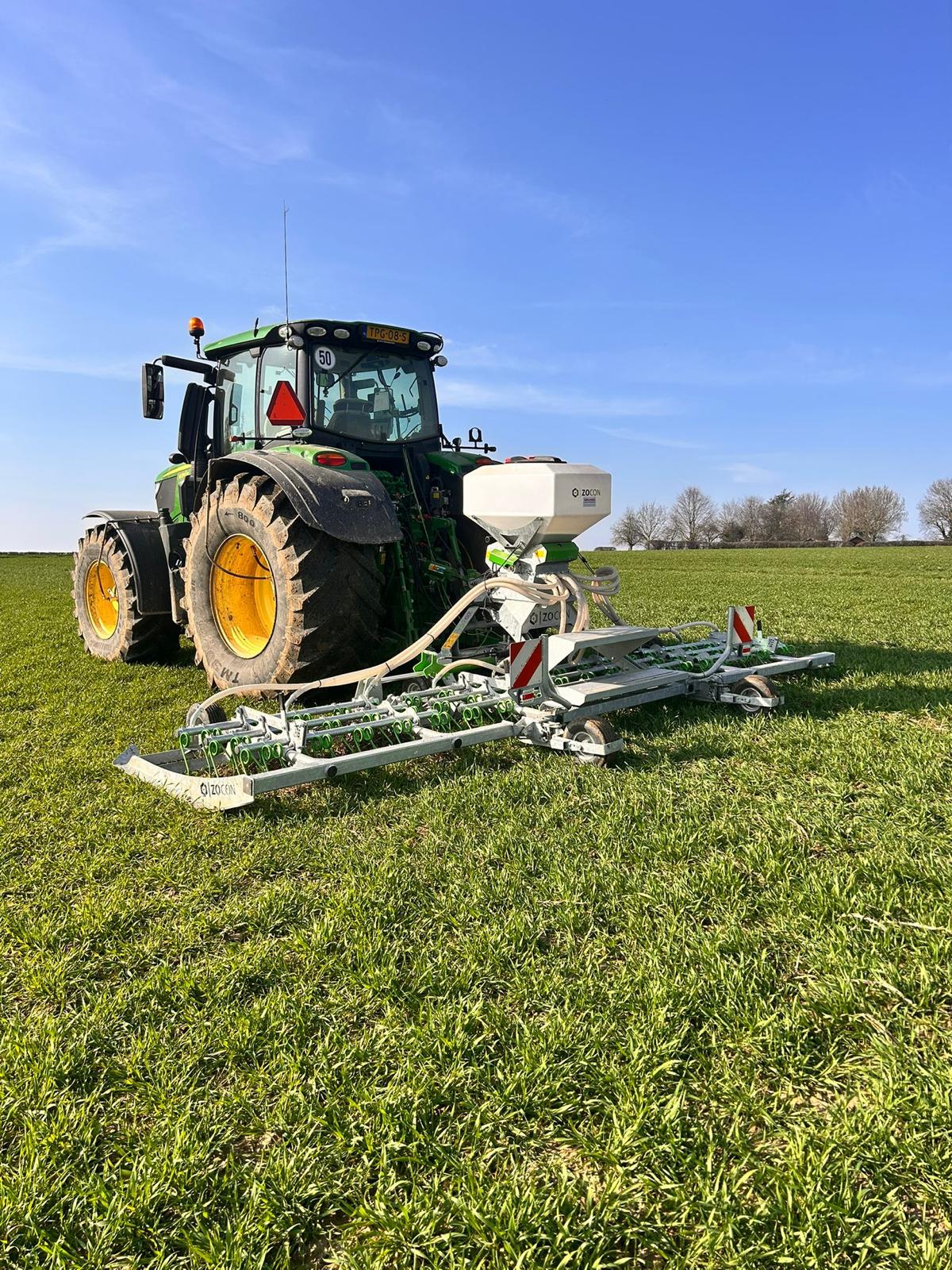
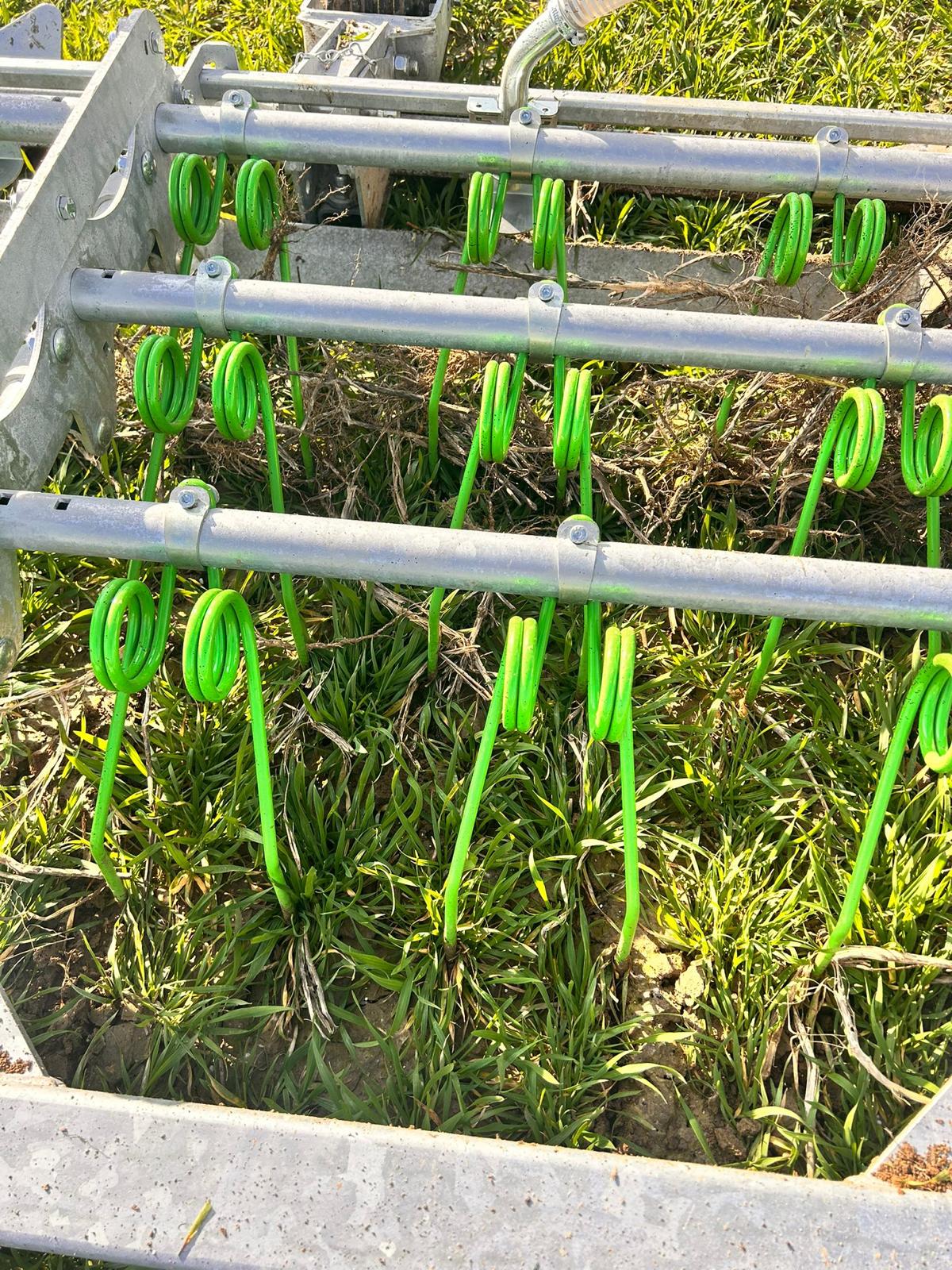
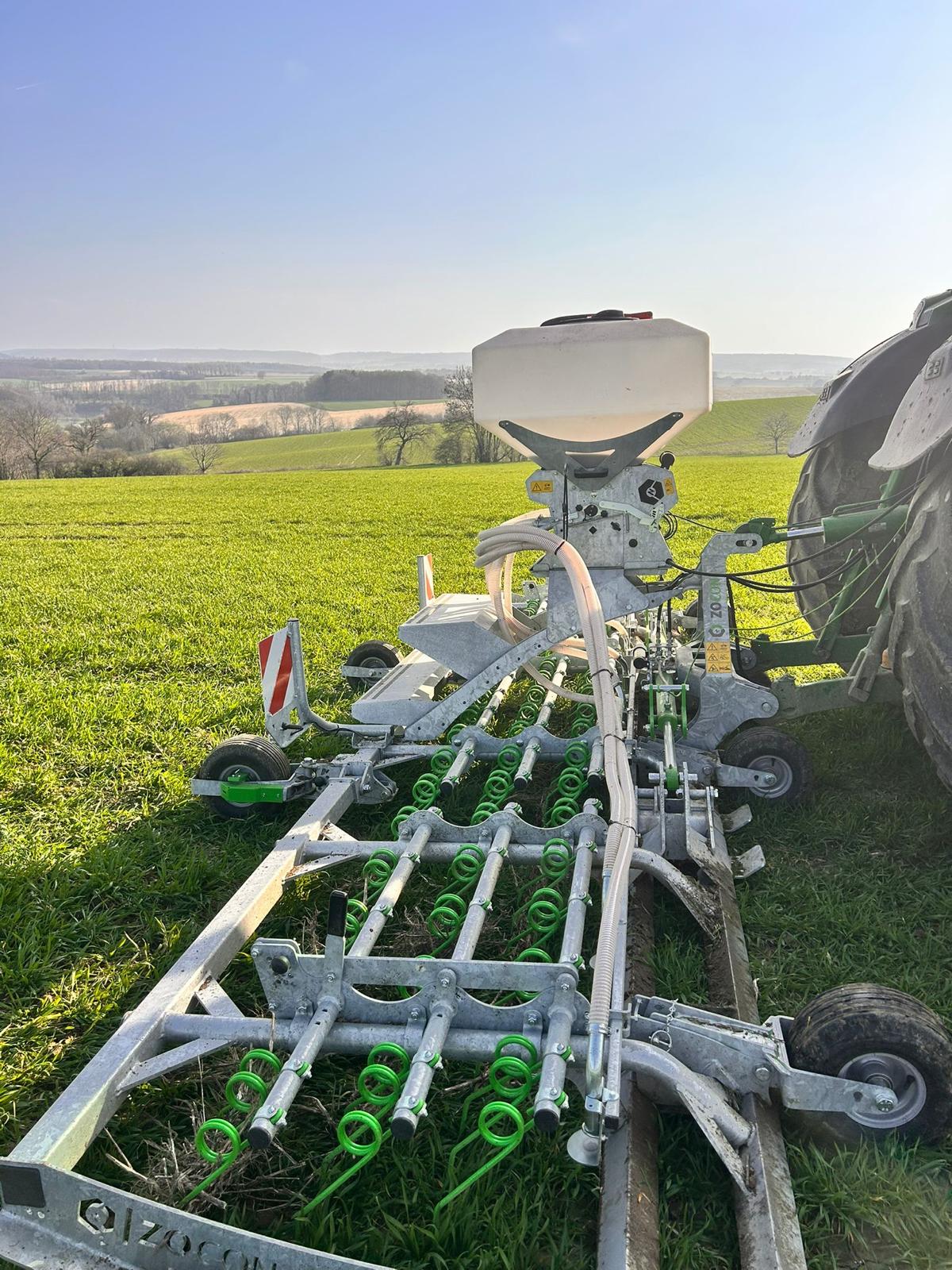
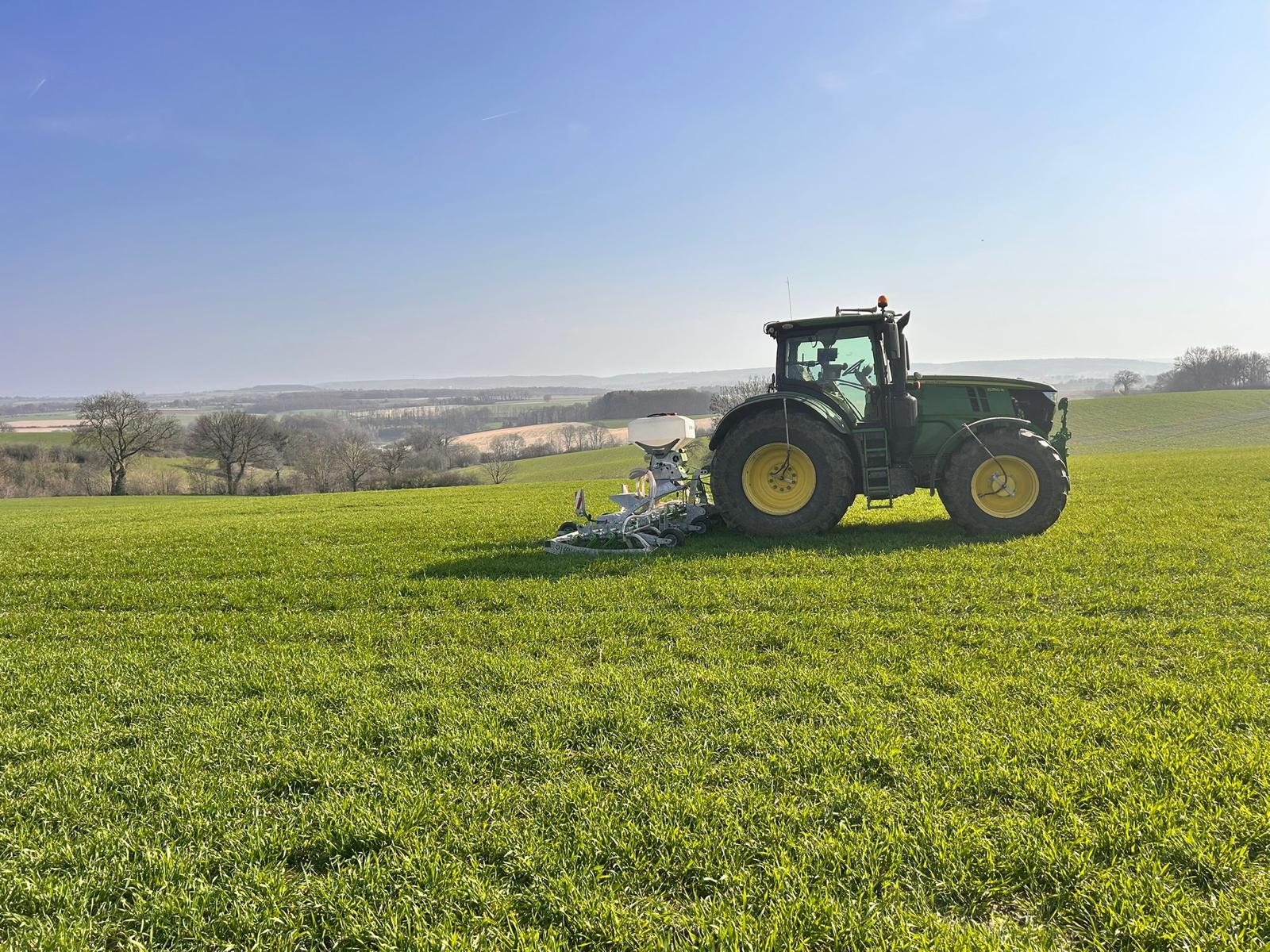
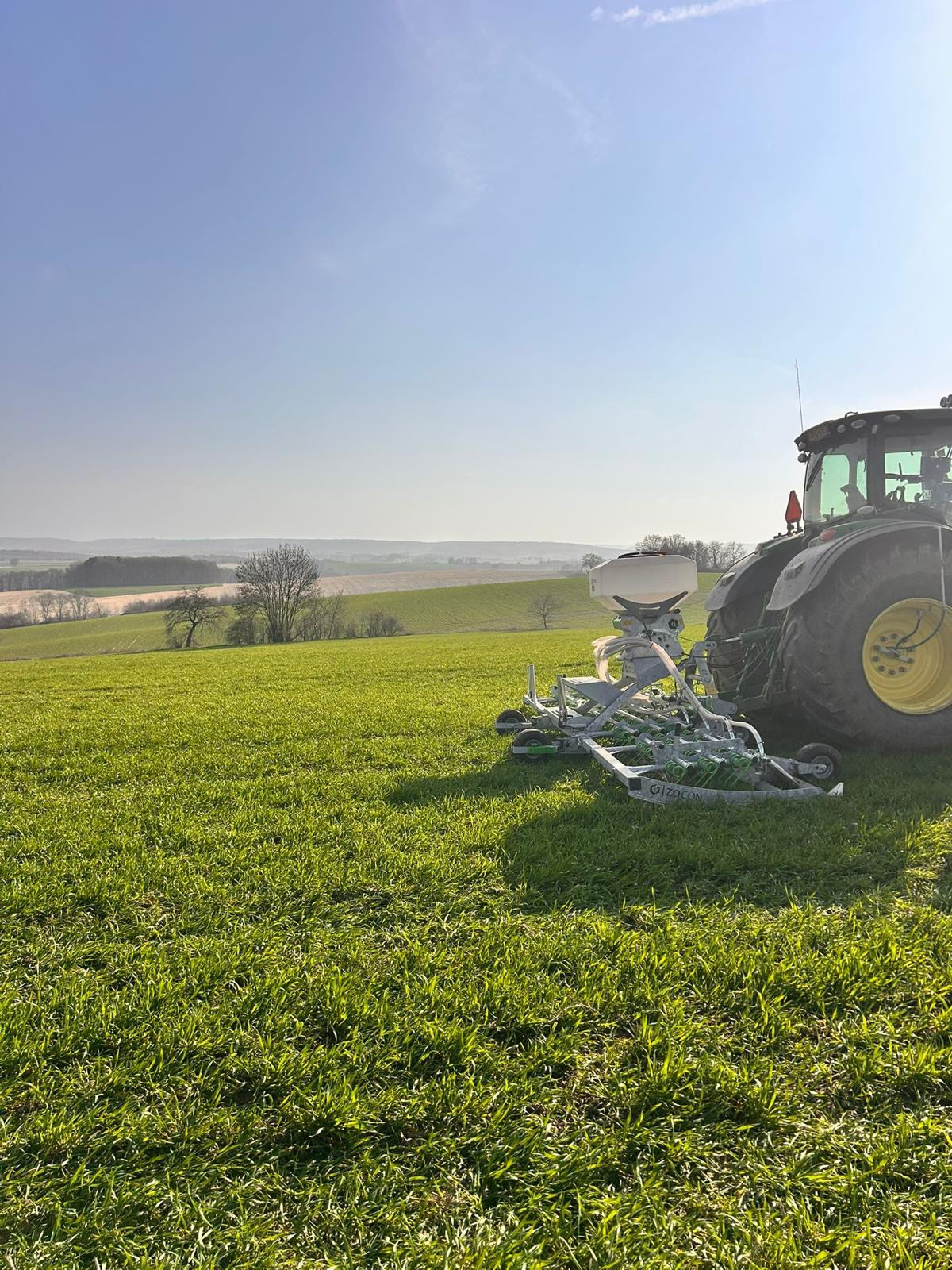
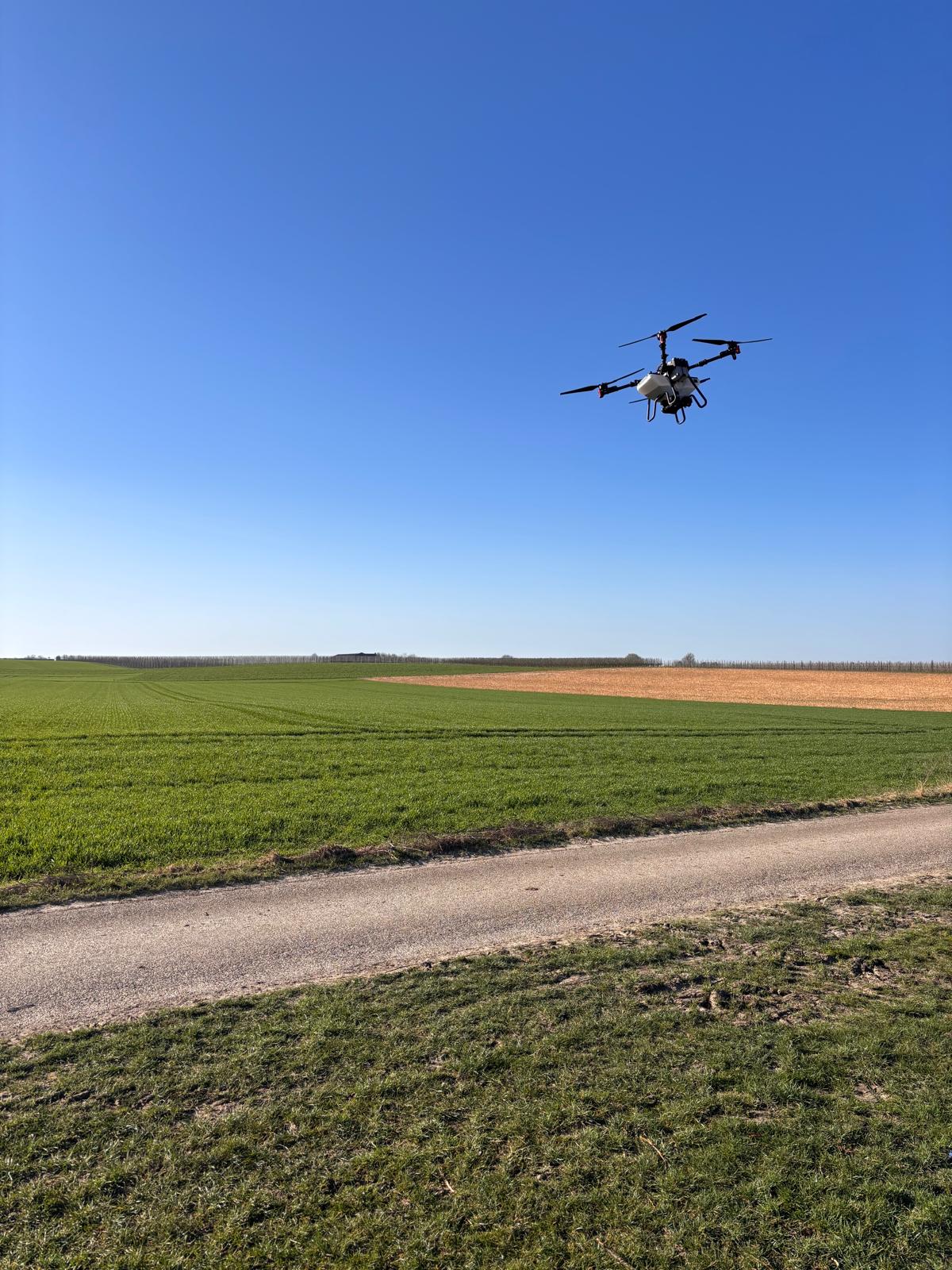
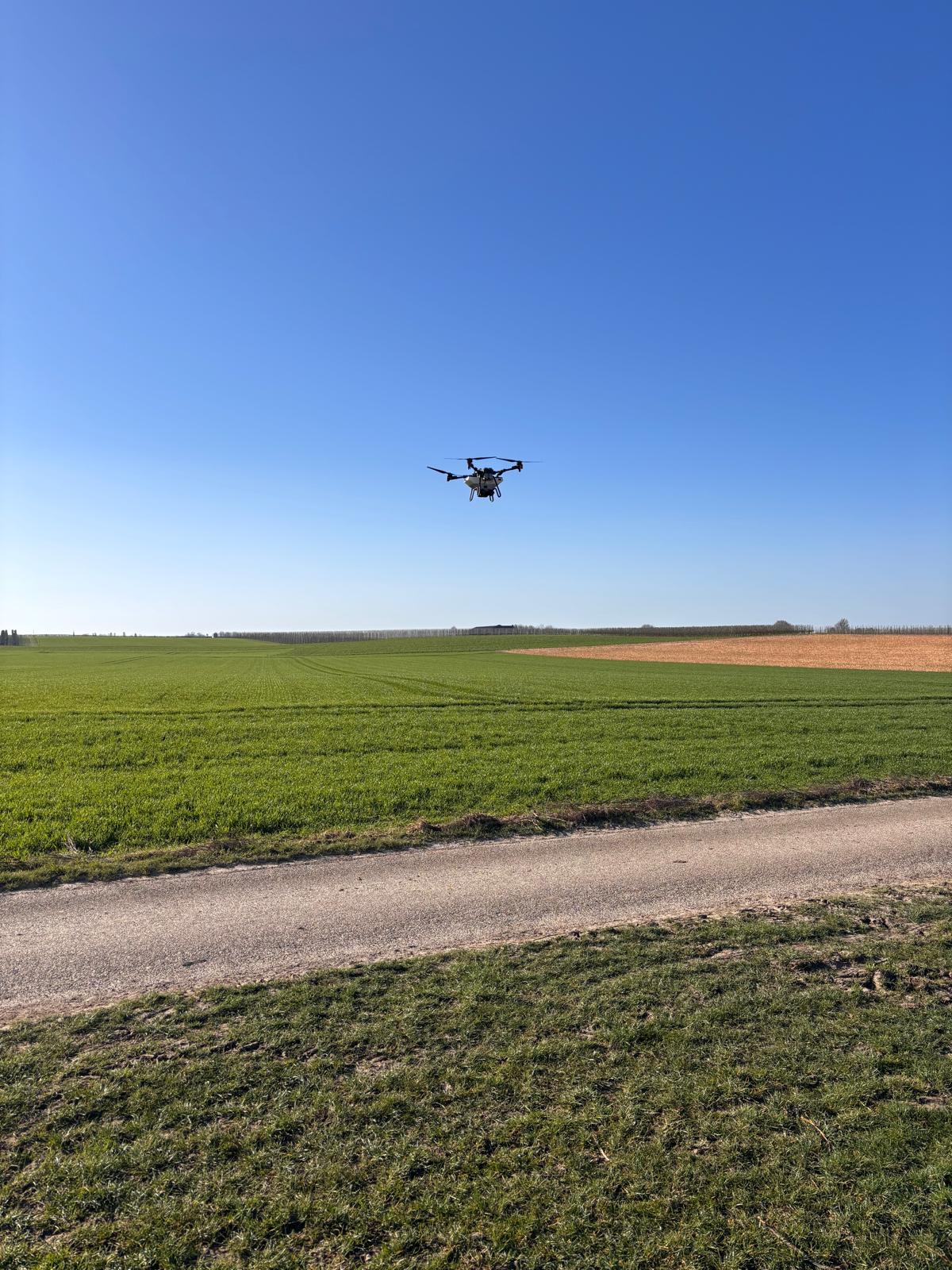
In the photos, different seeding techniques are being used. A seed drill places the seeds between rows using tines to incorporate them into the soil, while a drone broadcasts seeds from above. Clover can germinate easily without incorporation, although sufficient soil moisture over a period of time remains essential for successful establishment. Altogether, this shows that multiple seeding techniques are possible, depending on field conditions and timing.
Together, these approaches highlight how practical field-level decisions can contribute to both productive agriculture and improved habitat conditions.
Pollinator monitoring in the field
Spring is approaching and with it, the return of pollinator activity. 🌼🐝
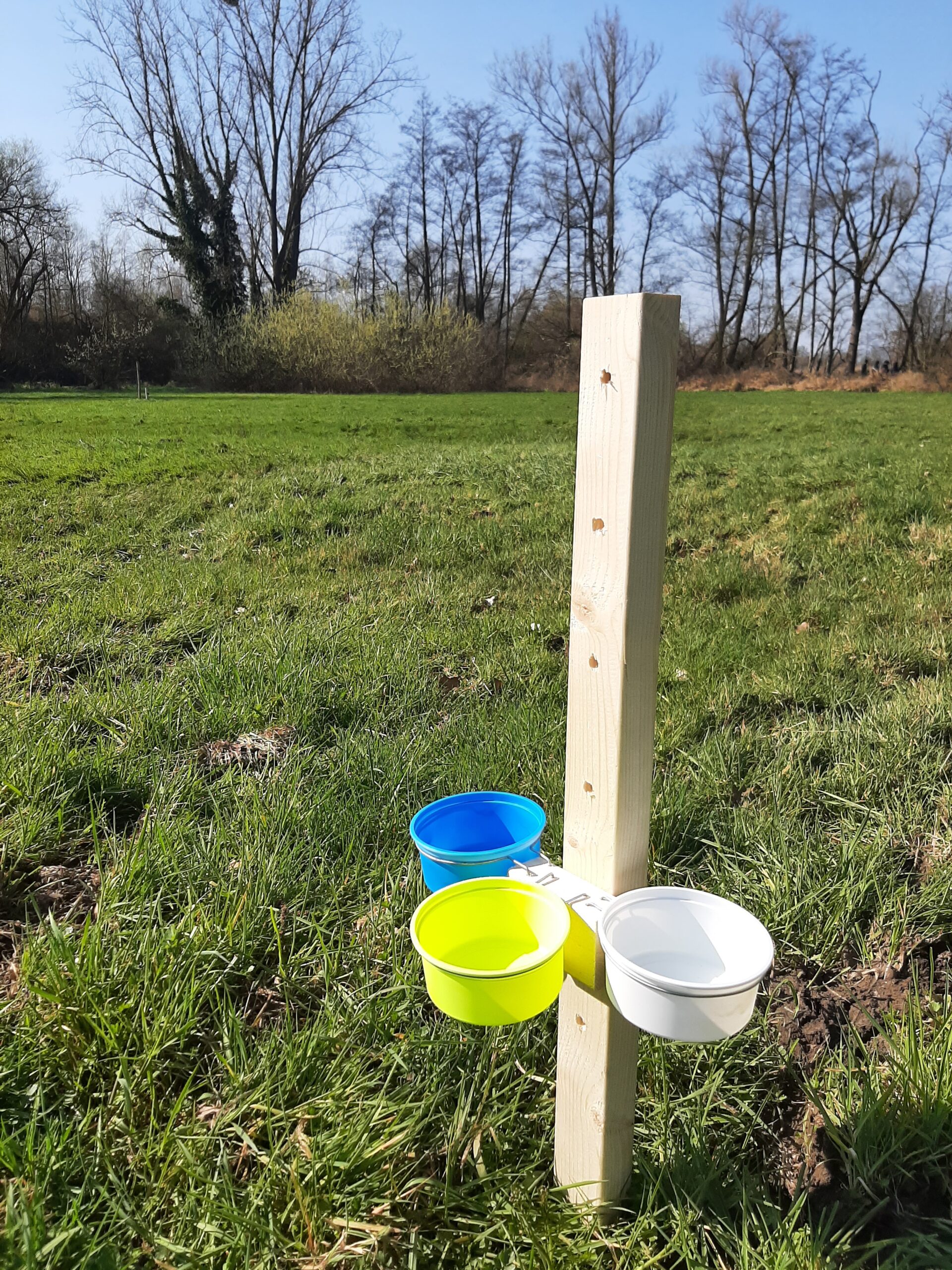
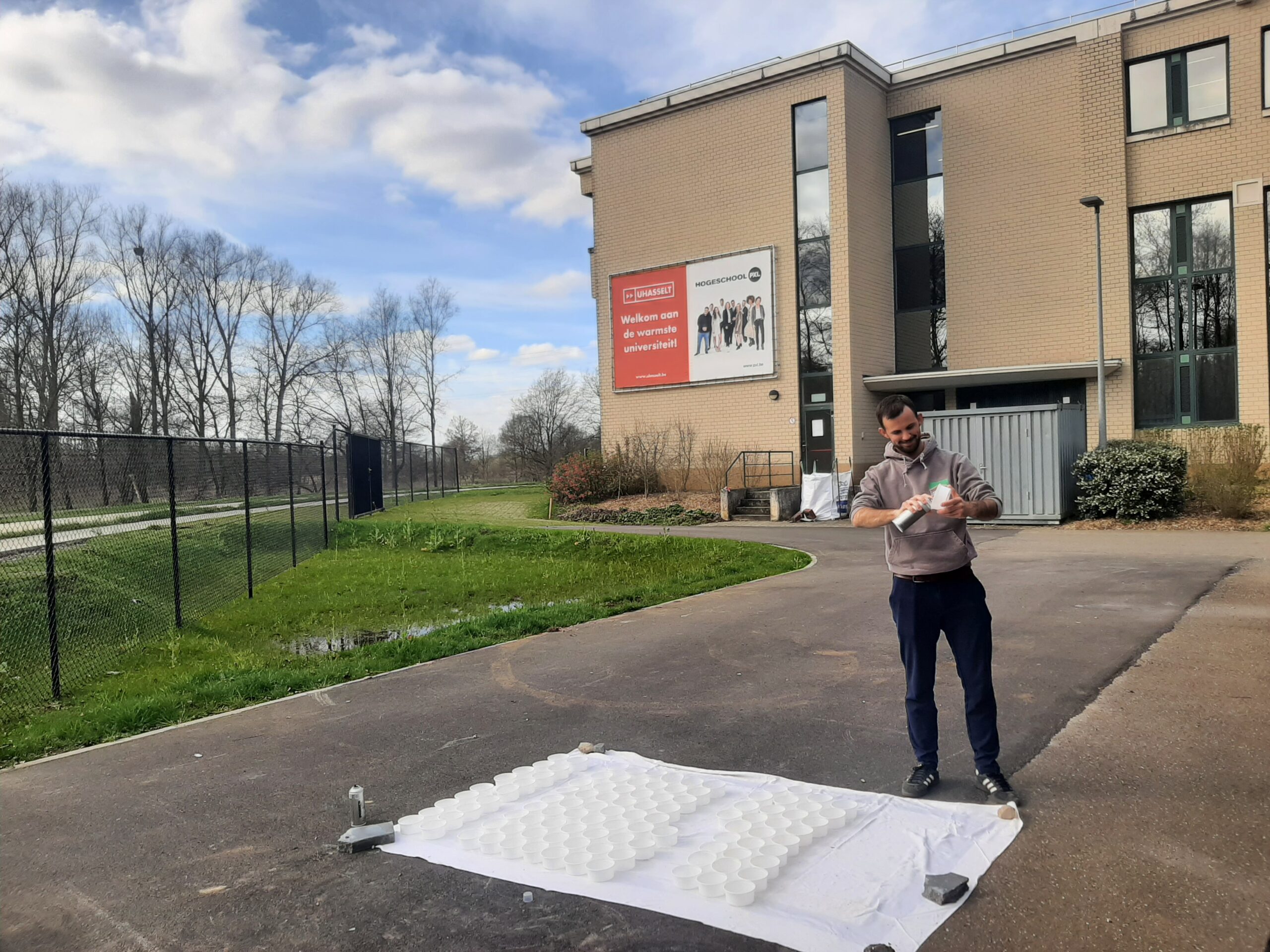
As part of the LIFE Cricetus project, preparations are underway to monitor pollinators using standardised pan trapping methods alongside transects and moth traps, as part of a broader monitoring approach across our study areas.
While the European hamster is at the heart of the project, its survival depends on a rich and diverse agricultural landscape. Pollinators play a key role in this system, contributing to both biodiversity and the availability of food resources within farmland ecosystems.
By monitoring pollinator abundance and diversity, we aim to better understand how hamster-friendly measures such as adapted cropping systems and habitat improvements impact farmland biodiversity more broadly.
These insights will help us evaluate whether the measures we implement not only support the hamster but also strengthen the ecological quality of the landscape as a whole and provide valuable input for improving agri-environmental measures under the Common Agricultural Policy (CAP).
From preparing the traps to placing them in the field, every step brings us closer to understanding how these measures perform in the field.
Partner Introduction 🇩🇪
LIFE Cricetus is an international collaboration bringing together organisations from Belgium, the Netherlands and Germany to restore the European hamster on a larger, cross-border scale.
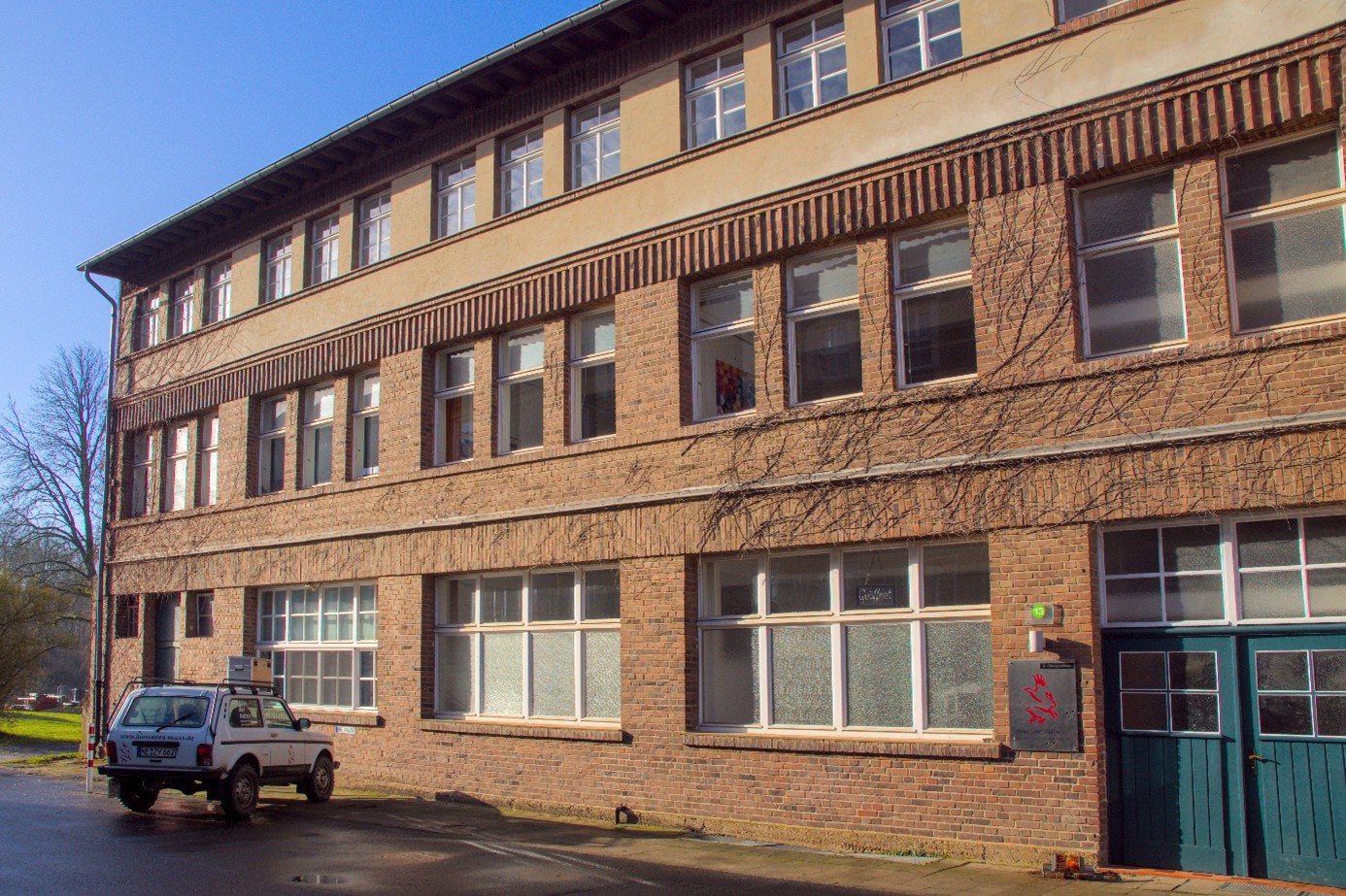
Today, we would like to introduce one of our German partners: the Biological Station Rhein-Kreis Neuss.
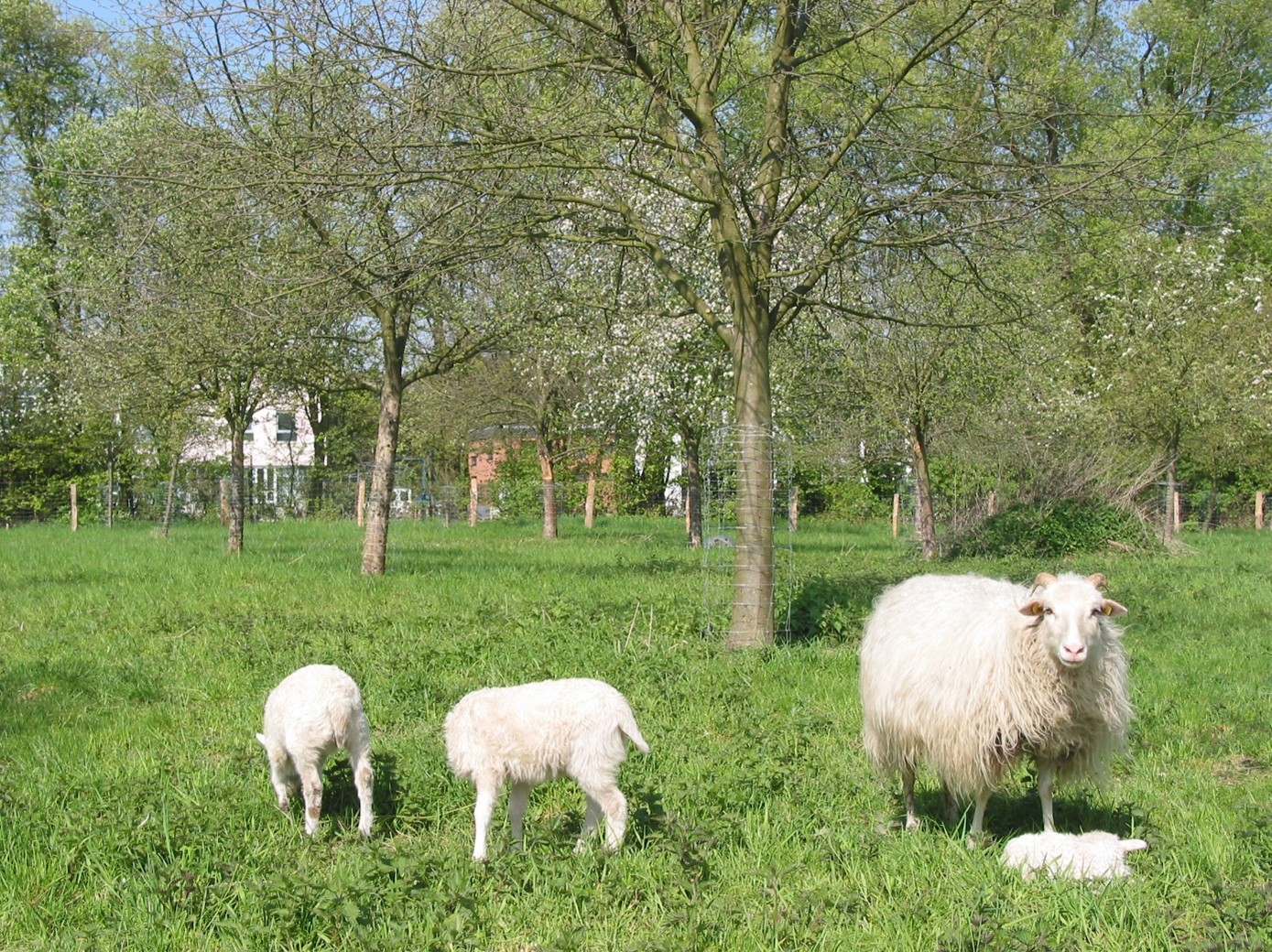
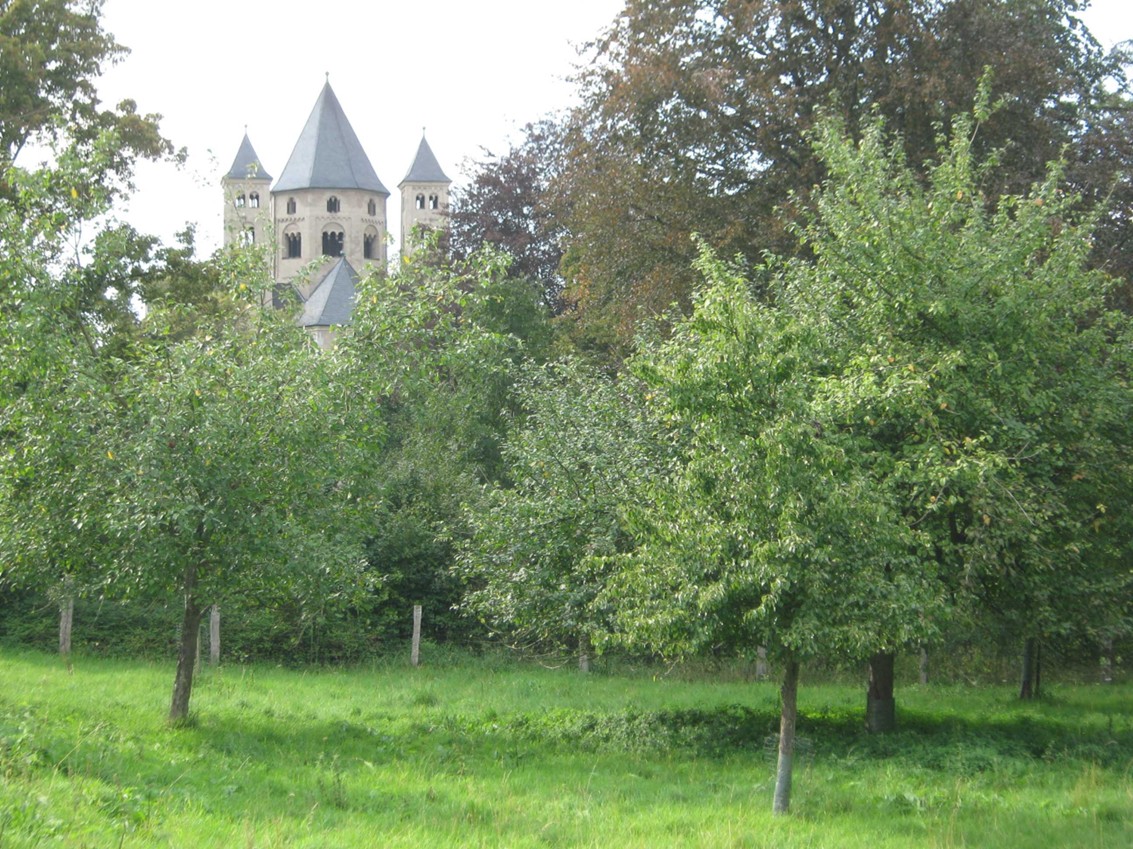
Founded in 2001 and located on the grounds of Kloster Knechtsteden in Dormagen, the Biological Station is dedicated to the conservation and development of valuable natural areas within the district. Their work ranges from landscape monitoring and habitat management to environmental education programmes. Alongside maintaining traditional orchards and a small herd of white-horned heath sheep, the station plays a crucial role in the protection of the European hamster population in Rommerskirchen-Butzheim.
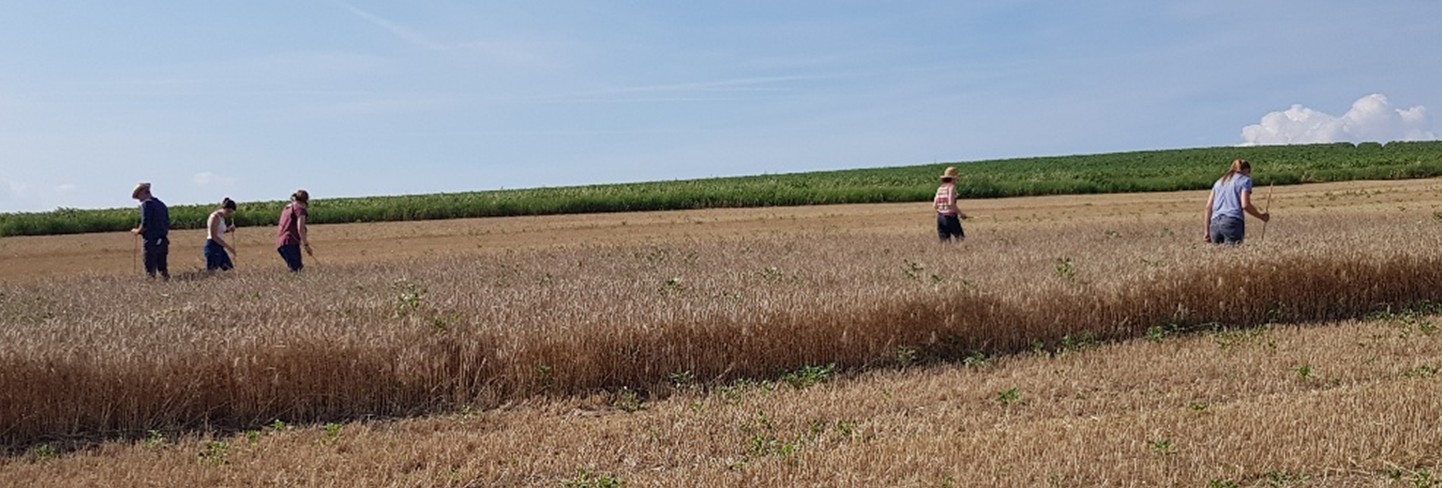
Each year, volunteers support the team in monitoring and release activities. From March to October, the hamster working group is present in the fields almost weekly. With the support of the EU LIFE Cricetus project, they are now able to further expand these efforts and strengthen long-term conservation measures.
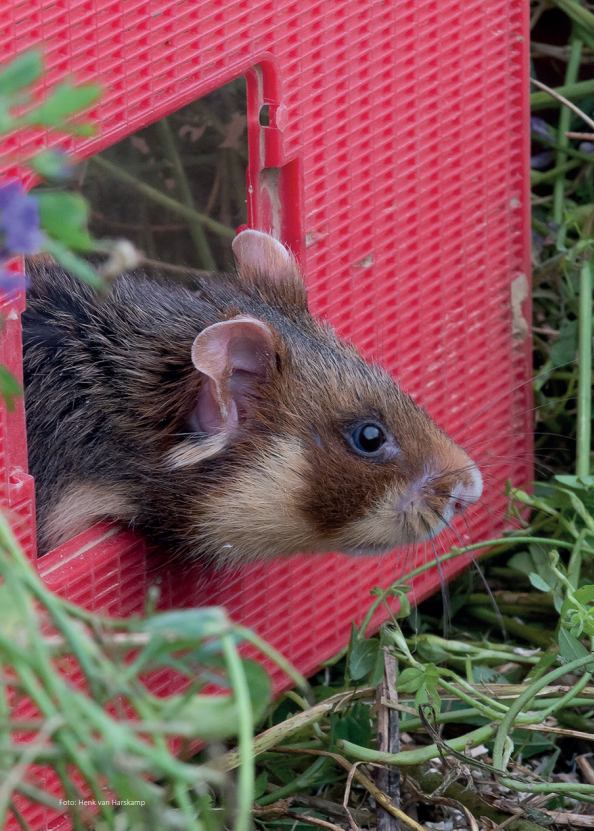
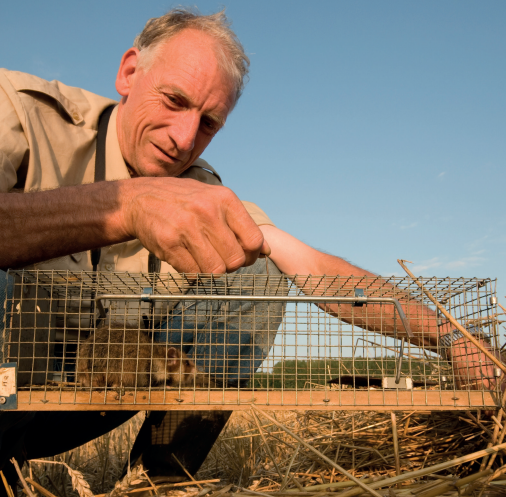
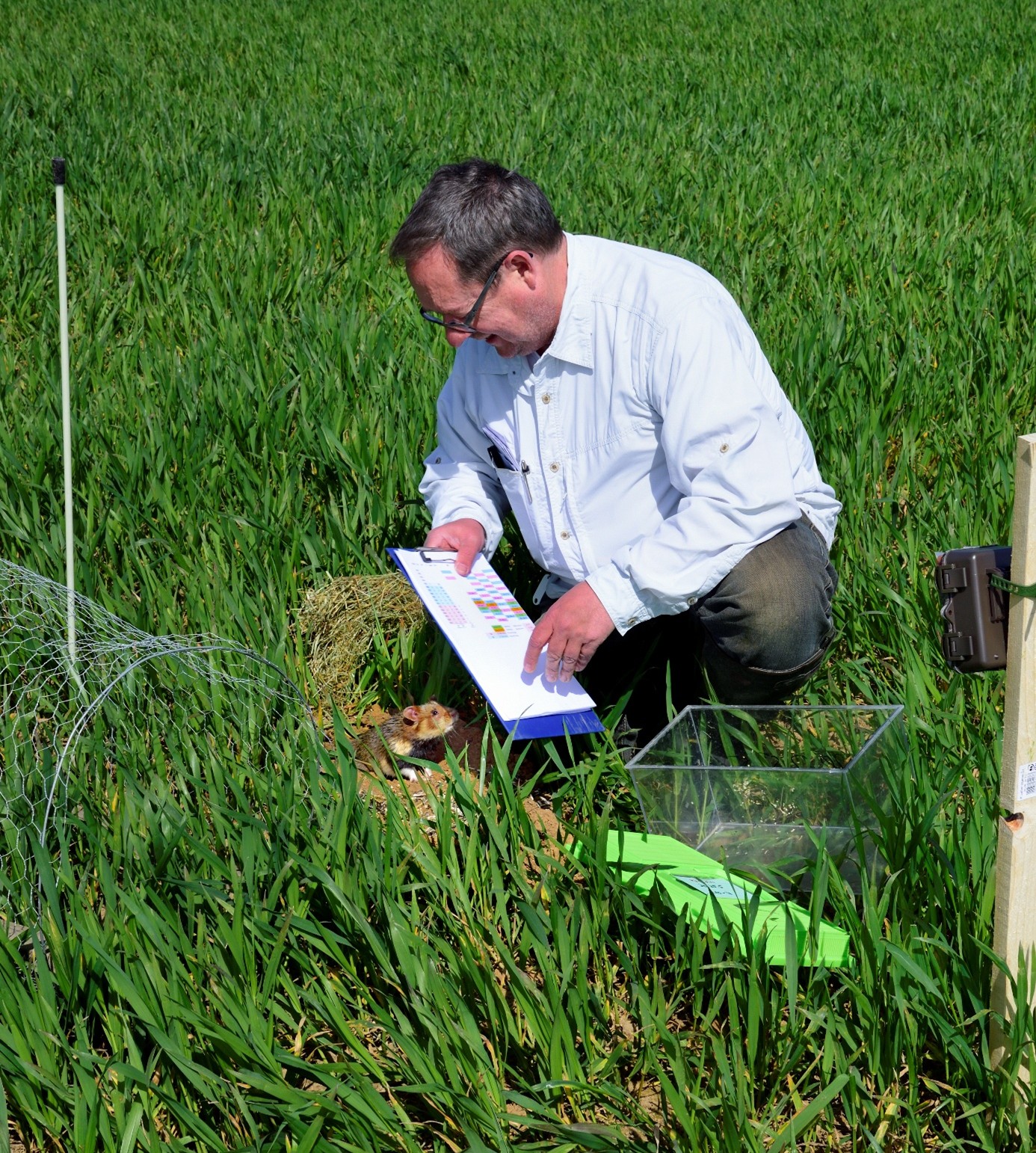
The final photo shows the long-standing managing director and valued colleague of the Biological Station, Michael Stevens, during the release of a hamster. Michael sadly passed away in October last year. The hamster project was very close to his heart. He played a key role in establishing it at the station and devoted countless hours, both professionally and personally, to its success.
His dedication continues to inspire the work carried forward today.
Preparing for the first participatory farmer workshop
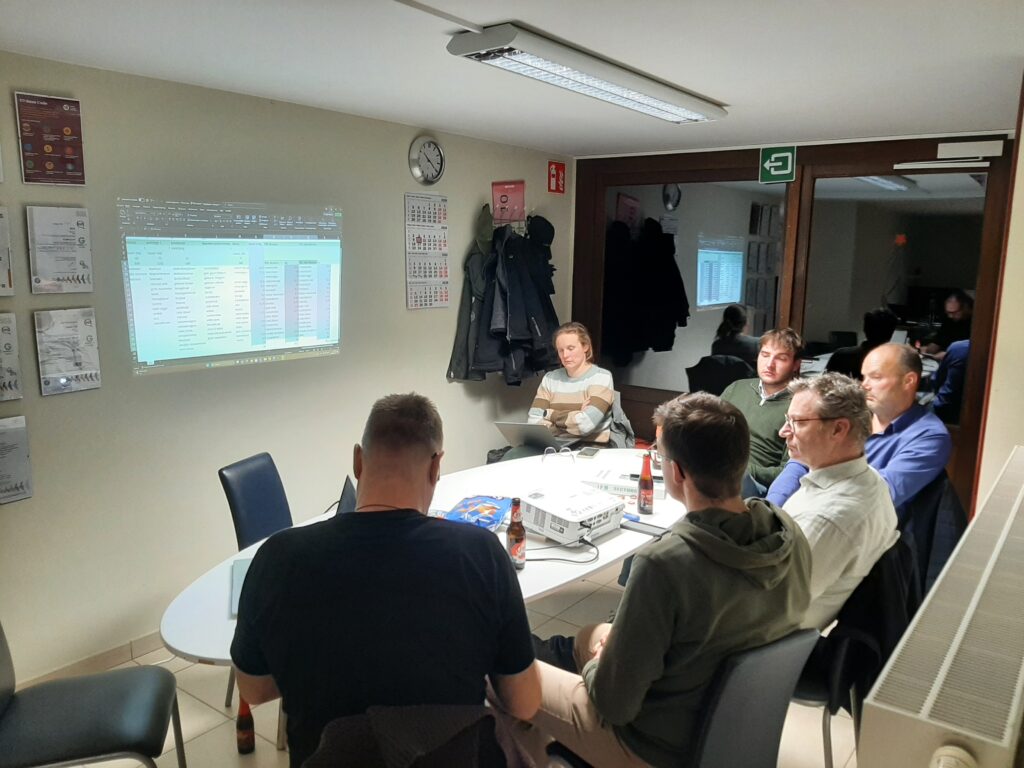
In January 2026, preparations started for the first participatory farmers workshop within the LIFE Cricetus project.
This workshop, taking place on 5 February, marks an important milestone. From the very start, LIFE Cricetus is built on the conviction that effective European hamster conservation can only succeed in close collaboration with farmers.
Together with engaged farmers, we will explore innovative cropping systems and management approaches that can support viable hamster populations while remaining economically realistic for agricultural practice. Their knowledge, experience, and insights are essential in shaping measures that work not only on paper, but in real fields.
This co-creation process forms a key pillar of the LIFE Cricetus project. By starting from dialogue and mutual understanding, we aim to lay a solid foundation for long-term hamster management, benefiting not only the European hamster, but also farmland biodiversity and resilient farming systems.
Nieuws
Partner Introduction 🇳🇱
LIFE Cricetus brings together organisations from Belgium, the Netherlands and Germany to restore the European hamster across borders.
Today, we introduce one of our Dutch partners: the Dutch Mammal Society (DMS).
Founded in 1952, the Dutch Mammal Society is dedicated to collecting and sharing knowledge on wild mammals in the Netherlands. With a team of around 35 staff members and the support of thousands of volunteers, the organisation contributes to scientific research, policy development, Red Lists, and practical conservation. Through long-term monitoring and research, they work to better understand why mammal populations thrive or struggle to survive.
The European hamster has been studied by DMS researchers since at least 1999. Over more than 25 years, this work has generated valuable insights into survival, reproduction, genetics, and habitat management. At the same time, it has highlighted an important challenge: even for highly motivated farmers, integrating hamster-friendly measures into daily agricultural practice is not always straightforward.
The LIFE Cricetus project aims to build on this experience by developing and supporting more effective and practical hamster-friendly management, making it easier to implement across farms in the region.
🔗 Learn more: www.zoogdiervereniging.nl
Field pratices in action
It will still take some time before the wheat in these fields is harvested. However, by carrying out undersowing at the right moment, an important condition for the European hamster can already be secured: providing sufficient cover once the cereals are removed from the field.
After the grain harvest, the undersown crop, in this case clover, quickly develops and provides immediate shelter. This continuity in cover is essential for the hamster, which depends on protection in an otherwise open agricultural landscape.
With this in mind, the ongoing experiment with undersowing in cereals is a promising development within the LIFE Cricetus project.
In the photos, different seeding techniques are being used. A seed drill places the seeds between rows using tines to incorporate them into the soil, while a drone broadcasts seeds from above. Clover can germinate easily without incorporation, although sufficient soil moisture over a period of time remains essential for successful establishment. Altogether, this shows that multiple seeding techniques are possible, depending on field conditions and timing.
Together, these approaches highlight how practical field-level decisions can contribute to both productive agriculture and improved habitat conditions.
Pollinator monitoring in the field
Spring is approaching and with it, the return of pollinator activity. 🌼🐝
As part of the LIFE Cricetus project, preparations are underway to monitor pollinators using standardised pan trapping methods alongside transects and moth traps, as part of a broader monitoring approach across our study areas.
While the European hamster is at the heart of the project, its survival depends on a rich and diverse agricultural landscape. Pollinators play a key role in this system, contributing to both biodiversity and the availability of food resources within farmland ecosystems.
By monitoring pollinator abundance and diversity, we aim to better understand how hamster-friendly measures such as adapted cropping systems and habitat improvements impact farmland biodiversity more broadly.
These insights will help us evaluate whether the measures we implement not only support the hamster but also strengthen the ecological quality of the landscape as a whole and provide valuable input for improving agri-environmental measures under the Common Agricultural Policy (CAP).
From preparing the traps to placing them in the field, every step brings us closer to understanding how these measures perform in the field.
Partner Introduction 🇩🇪
LIFE Cricetus is an international collaboration bringing together organisations from Belgium, the Netherlands and Germany to restore the European hamster on a larger, cross-border scale.
Today, we would like to introduce one of our German partners: the Biological Station Rhein-Kreis Neuss.
Founded in 2001 and located on the grounds of Kloster Knechtsteden in Dormagen, the Biological Station is dedicated to the conservation and development of valuable natural areas within the district. Their work ranges from landscape monitoring and habitat management to environmental education programmes. Alongside maintaining traditional orchards and a small herd of white-horned heath sheep, the station plays a crucial role in the protection of the European hamster population in Rommerskirchen-Butzheim.
Each year, volunteers support the team in monitoring and release activities. From March to October, the hamster working group is present in the fields almost weekly. With the support of the EU LIFE Cricetus project, they are now able to further expand these efforts and strengthen long-term conservation measures.
The final photo shows the long-standing managing director and valued colleague of the Biological Station, Michael Stevens, during the release of a hamster. Michael sadly passed away in October last year. The hamster project was very close to his heart. He played a key role in establishing it at the station and devoted countless hours, both professionally and personally, to its success.
His dedication continues to inspire the work carried forward today.
Preparing for the first participatory farmer workshop
In January 2026, preparations started for the first participatory farmers workshop within the LIFE Cricetus project.
This workshop, taking place on 5 February, marks an important milestone. From the very start, LIFE Cricetus is built on the conviction that effective European hamster conservation can only succeed in close collaboration with farmers.
Together with engaged farmers, we will explore innovative cropping systems and management approaches that can support viable hamster populations while remaining economically realistic for agricultural practice. Their knowledge, experience, and insights are essential in shaping measures that work not only on paper, but in real fields.
This co-creation process forms a key pillar of the LIFE Cricetus project. By starting from dialogue and mutual understanding, we aim to lay a solid foundation for long-term hamster management, benefiting not only the European hamster, but also farmland biodiversity and resilient farming systems.