End of the first field season
Over the past few months, our LIFE Cricetus partners have been busy collecting biodiversity data across agricultural landscapes in the Rhein-Erft-Kreis region of Germany. With the field season now coming to an end, it’s time to take a first look at the work carried out and the data collected.
🔍 Monitoring biodiversity in agricultural landscapes
Throughout the field season, different surveys were conducted to assess biodiversity and environmental conditions in the project area. These included European hamster burrow monitoring, pollinator surveys along transects, farmland bird surveys and the use of environmental loggers.
Along the way, our field teams also encountered plenty of interesting wildlife and landscapes. The photos offer a small glimpse into their work:
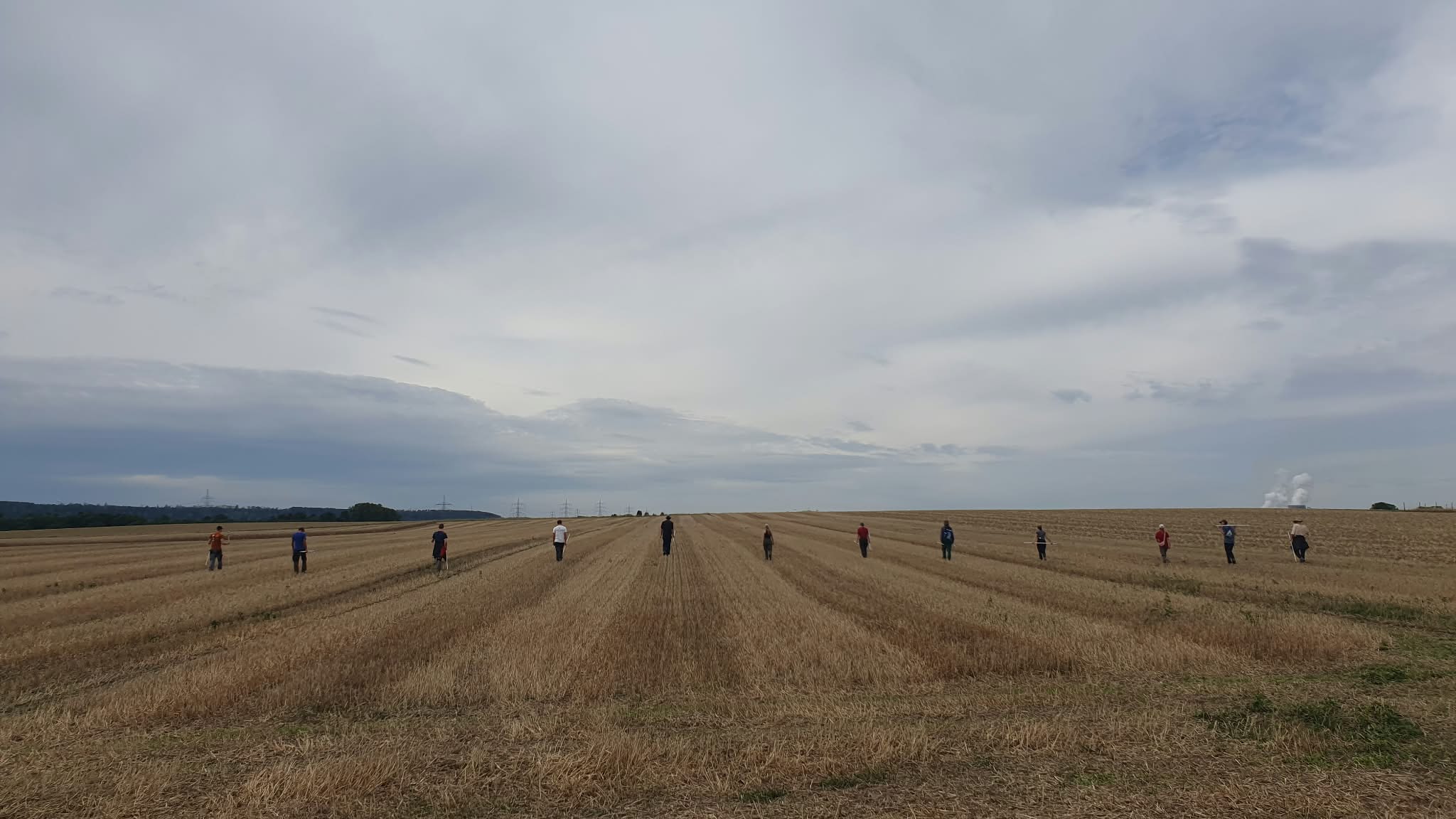
👥 Our field team during European hamster burrow monitoring
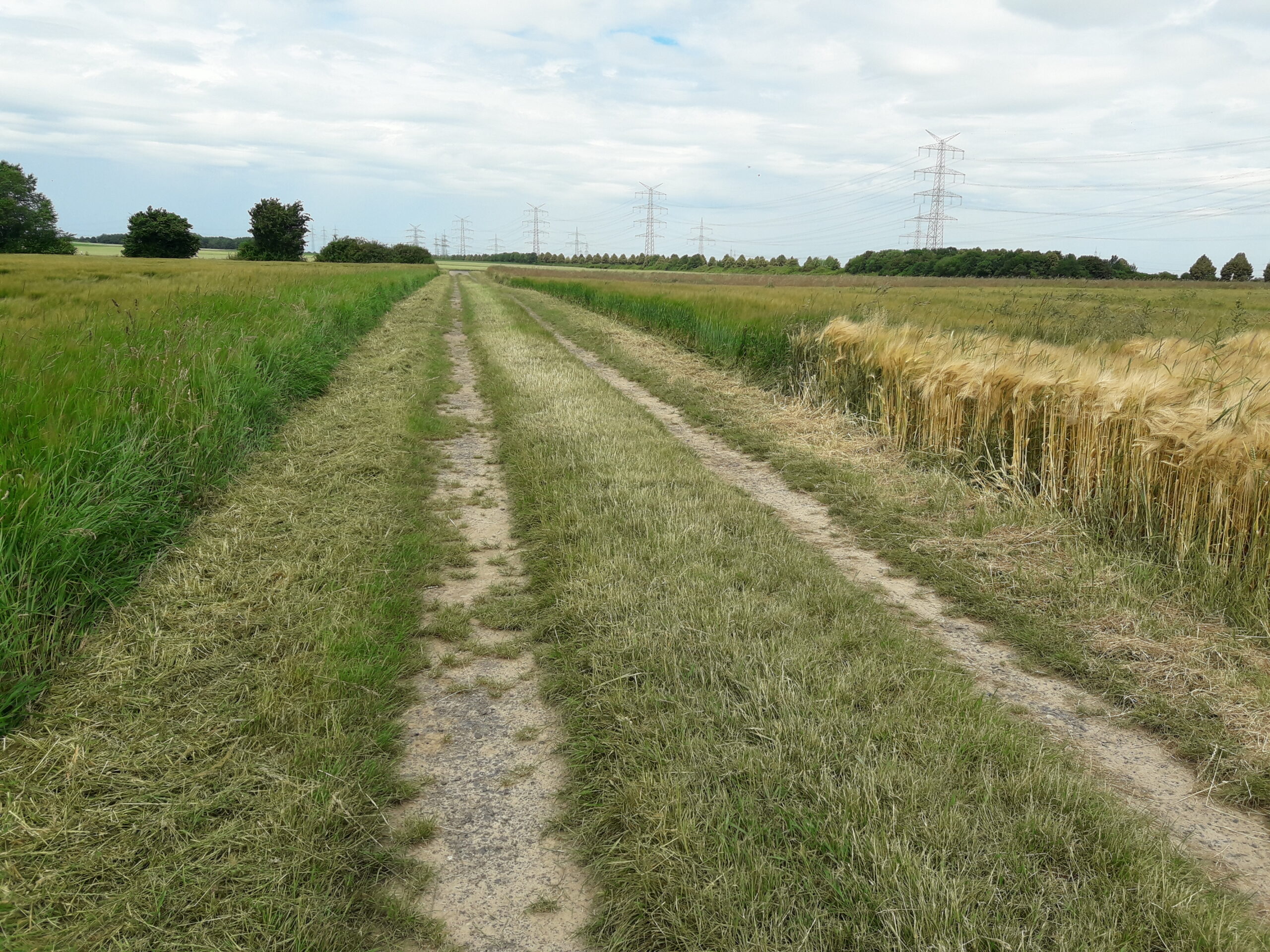
🌱 A transect used during the pollinator survey
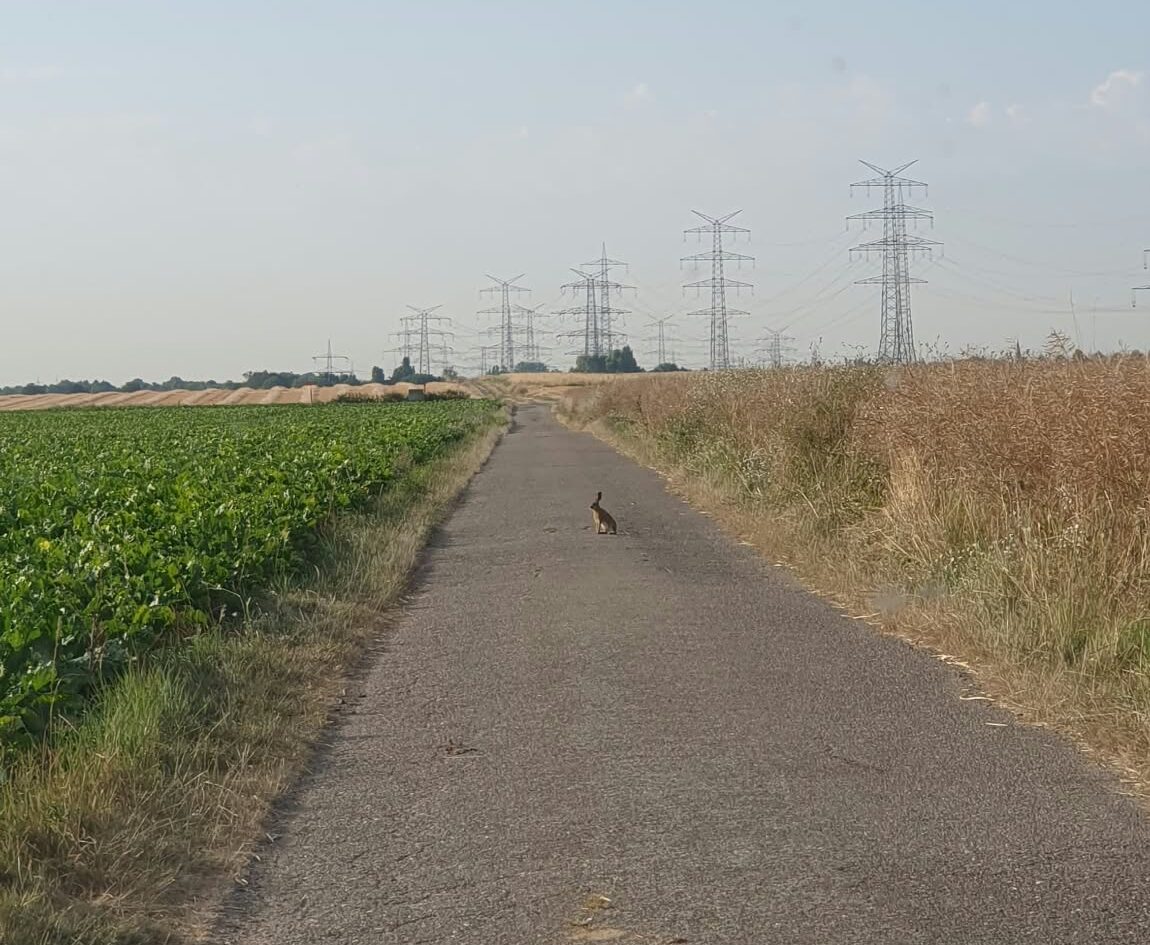
🐇 A brown hare spotted during the farmland bird survey
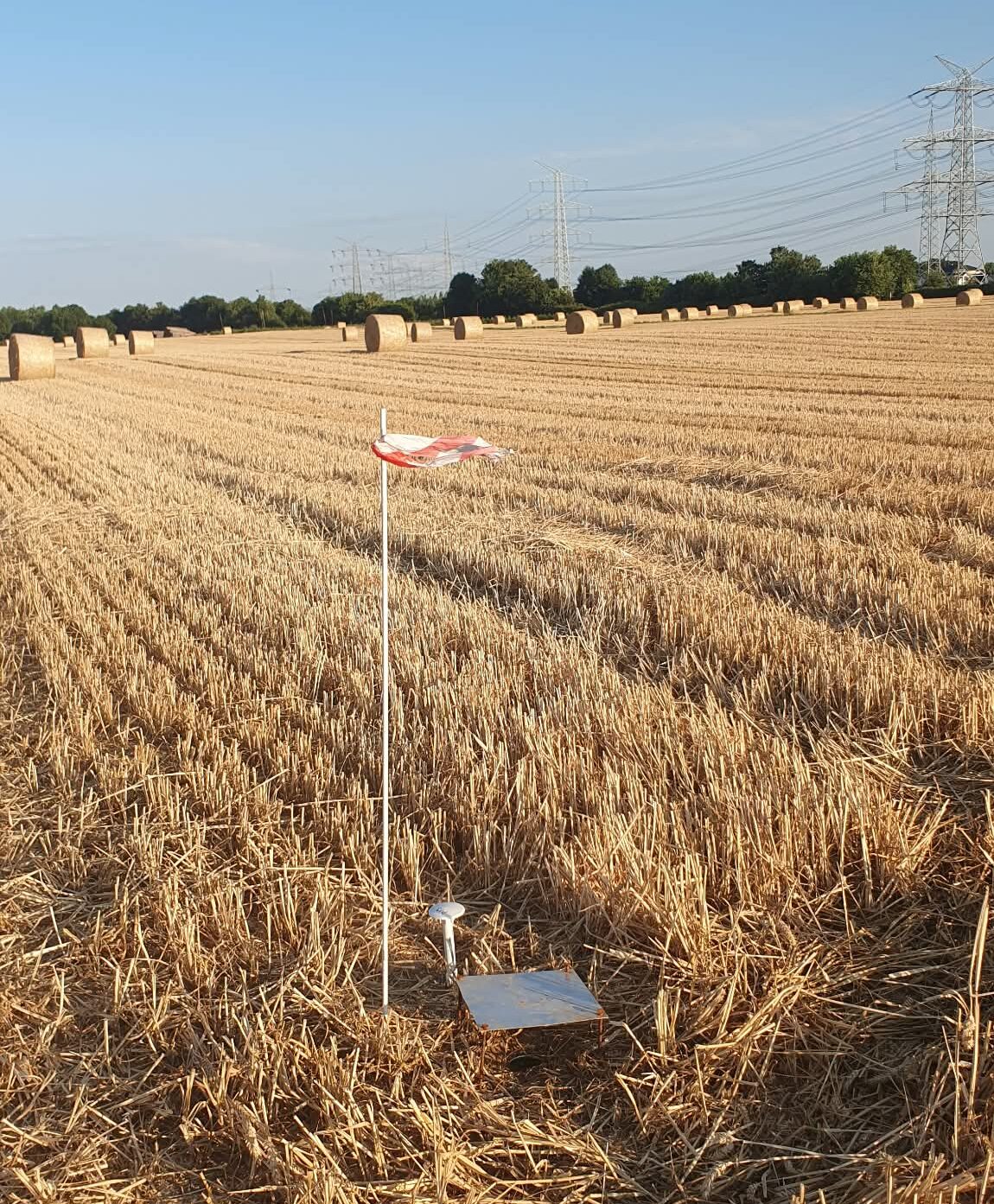
🌇 One of our environmental loggers after harvest
From field observations to meaningful results
With the fieldwork completed, the next step is to analyse the collected data. What is the current state of biodiversity in these agricultural landscapes? What can the monitoring tell us about the effects of the measures implemented so far? And where might further improvements be needed?
These observations will help us better understand the conditions for farmland wildlife and evaluate the effectiveness of biodiversity-friendly agricultural practices.
In the coming years, the surveys will be repeated to assess how species diversity and soil quality develop over time. By comparing results across different monitoring periods, we hope to gain valuable insights into the long-term effects of the project’s conservation measures.
The field season may be over, but the research continues. Stay tuned for the results! 🌾🐹🦋
Project partners:
PXL Bio Research, Vlaamse Landmaatschappij (VLM), Boerennatuur VL, Elzéard Foundation, Boerenbond, Natuur en Bos, Agentschap Landbouw en Zeevisserij, Vlaamse Gewest, Natuurrijk Limburg, Het Limburgs Landschap, Zodion Zoogdieronderzoek Nederland, GaiaZOO, Provincie Limburg, Ministerie van Landbouw, Visserij, Voedselzekerheid en Natuur, Biologische Station Bonn / Rhein-Erft e.V. – Naturschutzstation Pullheim (NSP), Biologische Station im Rhein-Kreis Neuss e.V. – Naturschutzstation Rommerskirchen (NSR), LANUK NRW, Ministerium für Umwelt, Naturschutz und Verkehr des Landes NRW, Ministerium für Landwirtschaft und Verbraucherschutz NRW
#FarmlandBiodiversity #LIFECricetus #LIFEprogramme #SustainableAgriculture #FieldTrials #Monitoring